
Here is the second part of our breed portraits of selected hunting dogs: this time it's all about the Russell Terrier, the Weimaraner, and the Labrador Retriever (representing many Labrador mixes). If you are interested in one of these breeds, we have good tips for you.
- What are the characteristics of a typical Russell Terrier?
- What do you need to pay special attention to with the Weimaraner?
- Does the Labrador Retriever, often described as the perfect child & family dog, suit you?
Even if you already have a representative of one of these breeds or a Labrador mix like the Labrador Retriever, you won't be left out: we'll tell you what absolutely should be part of their equipment. There are certainly things you'll want to get right away.
Hunting Dogs like the Weimaraner, Labrador Retriever / Labrador Mix or Russell Terrier: Ideal for the City? Good for Families?
The greatest characteristic is already contained in the name of the genus: hunting. Most hunting dogs are equipped with an excellent sense of smell and require a lot of activity. The Weimaraner, Labrador mix, or Russell Terrier are no exception. Sitting with Grandma Liesbeth next to the park bench by the duck pond in the morning and nibbling dog biscuits on the couch in the afternoon doesn't make a hunting dog happy. Action is needed here: lots of exercise and exciting tasks that challenge and keep the hunting dog happy should be part of the daily program. Because one thing you have to consider: with a hunting dog or hunting dog mix, you have a sports car by your side rather than a camper van.
The Hunting Dog Russell Terrier: friendly and cheerful, brave and lively
When people think of the Russell Terrier, many first think of the Jack Russell Terrier, which often chases wildly back and forth and likes to go out with riders. It originated about 150 years ago from the Fox Terrier in England, bred by a pastor named John Jack Russell. Like the Dachshund, the Jack Russell was intended to be able to squeeze into narrow dens of animals like foxes, hence Terrier from the French word 'terre' for earth. Since the small hunting dog had to get along well with horses and people during the hunt, he is still very friendly to them today. A Jack Russell Terrier grows to an average of 25 to 30 cm (at the withers) and weighs a good five to six kilograms. He constantly needs new challenges for his mind and body.
Due to his lively and stubborn nature, the typical Russell Terrier tends to overestimate himself and does not shy away from friction with larger dogs. True to the motto: Get out of the way, the king is coming! Many owners have been surprised and often overwhelmed. Good training is therefore essential, otherwise a Russell Terrier will walk all over his owner – rewards and positive feedback have proven effective when he obeys.
In addition to the Jack Russell, there is also a larger version, as the Parson Russell Terrier also belongs to the Russell gang. He grows up to 35 cm (at the withers) and can weigh between eight and ten kilograms. However, he is also athletic and slender, so it is good if he has an athletic person by his side during his fifteen to eighteen years of life; he also likes to run alongside horses. In addition to the Russell Terriers, there are many other representatives such as the Yorkshire Terrier, the Airedale Terrier, West Highland Terrier, Fox Terrier, Bull Terrier and many more.
If you would like to have a Russell Terrier as a pet, you should consider a few things:
- Russell Terriers are also suitable for clever and athletic first-time dog owners, as they are characterized by a particularly friendly nature.
- Russell Terriers are lively and curious, make sure they get enough exercise, for example through agility, and ensure that they maintain their athletic figure and do not become overweight.
- When walking in the forest, Russell Terriers like to run off, and especially on muddy ground, they can get quite dirty. If a bath is absolutely necessary, use a dog-friendly shampoo.
- Regular care and checking of claws, ears, eyes, and teeth are important, so a Jack Russell Terrier should be accustomed to this from puppyhood – a special ear cleaner is recommended for the ears.
- Jack Russell Terriers are prone to tartar formation, so plan regular visits to the vet, because if this dental disease is not detected, it can, for example, cause heart disease. Tasty things to chew on that stimulate saliva flow are recommended.
You should get this equipment for your Russell Terrier:
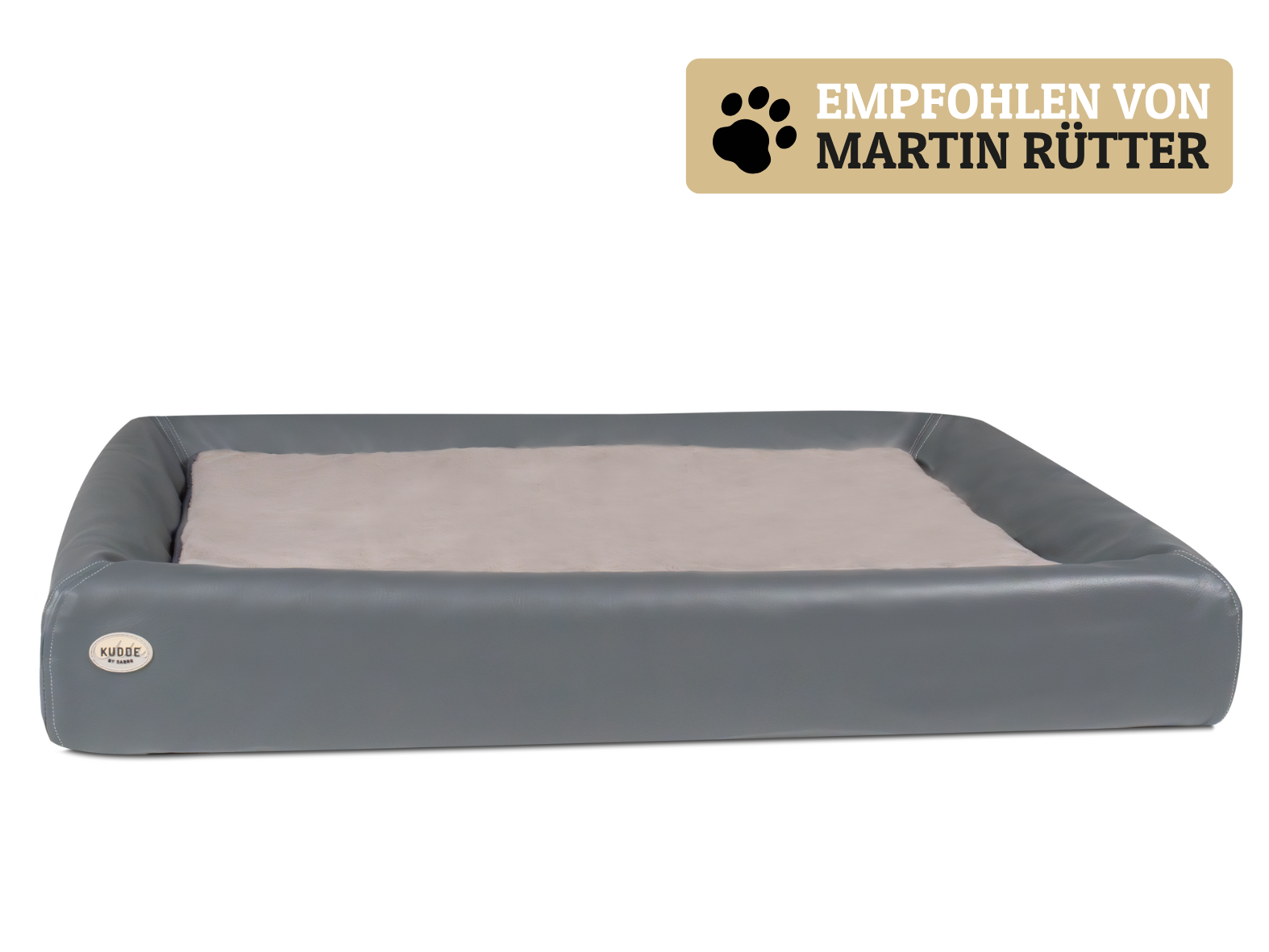
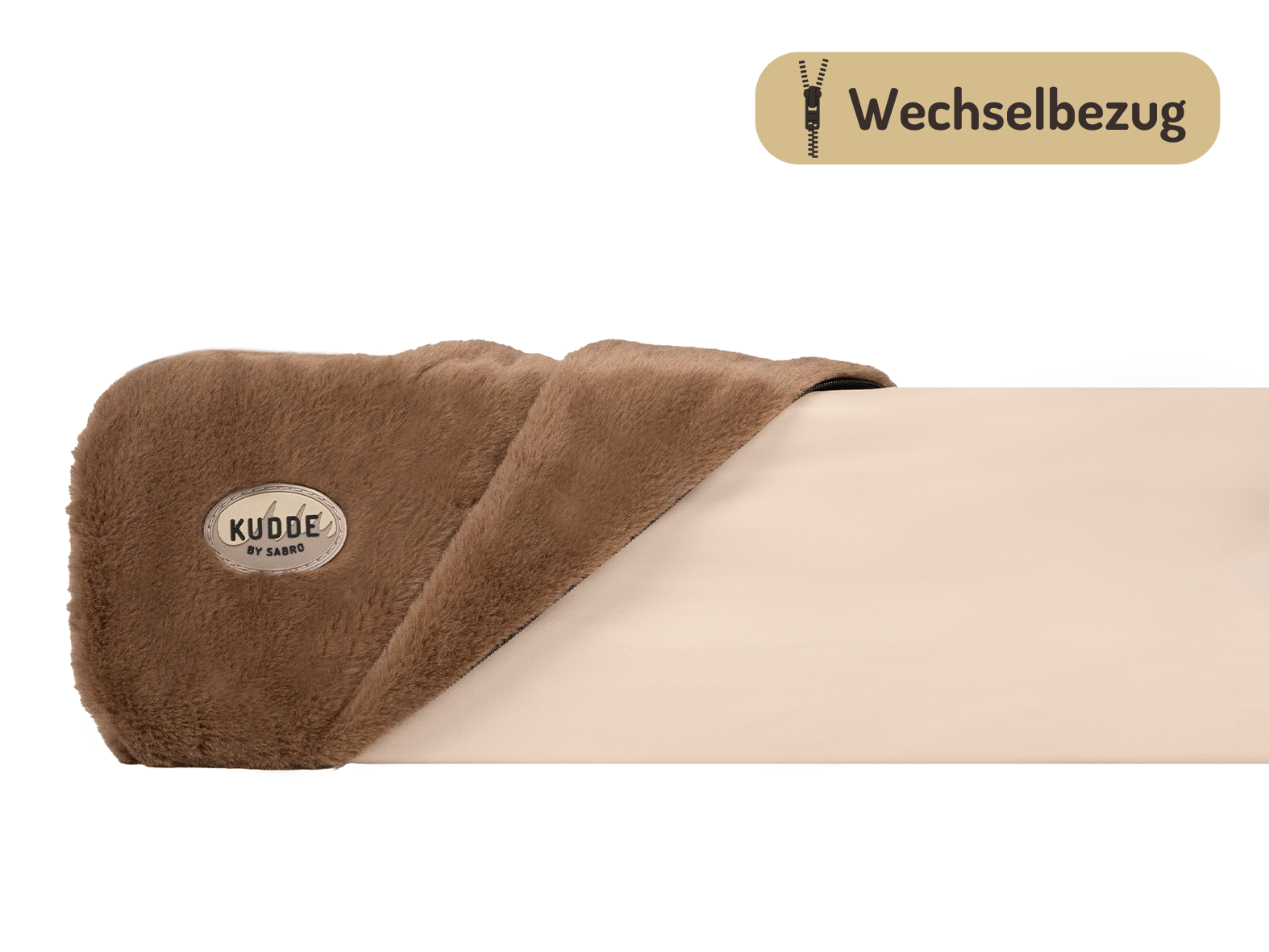
- A comfortable dog bed like our KUDDE, which allows pressure-relieving lying, is important. The KUDDE dog bed is available in various versions, perfectly tailored to your dog's preferences. Here are our KUDDE dog beds.
- As a hunting dog, Russell Terriers love activity: with a toy, you can awaken their hunting instinct and keep them engaged, otherwise they quickly get into mischief.
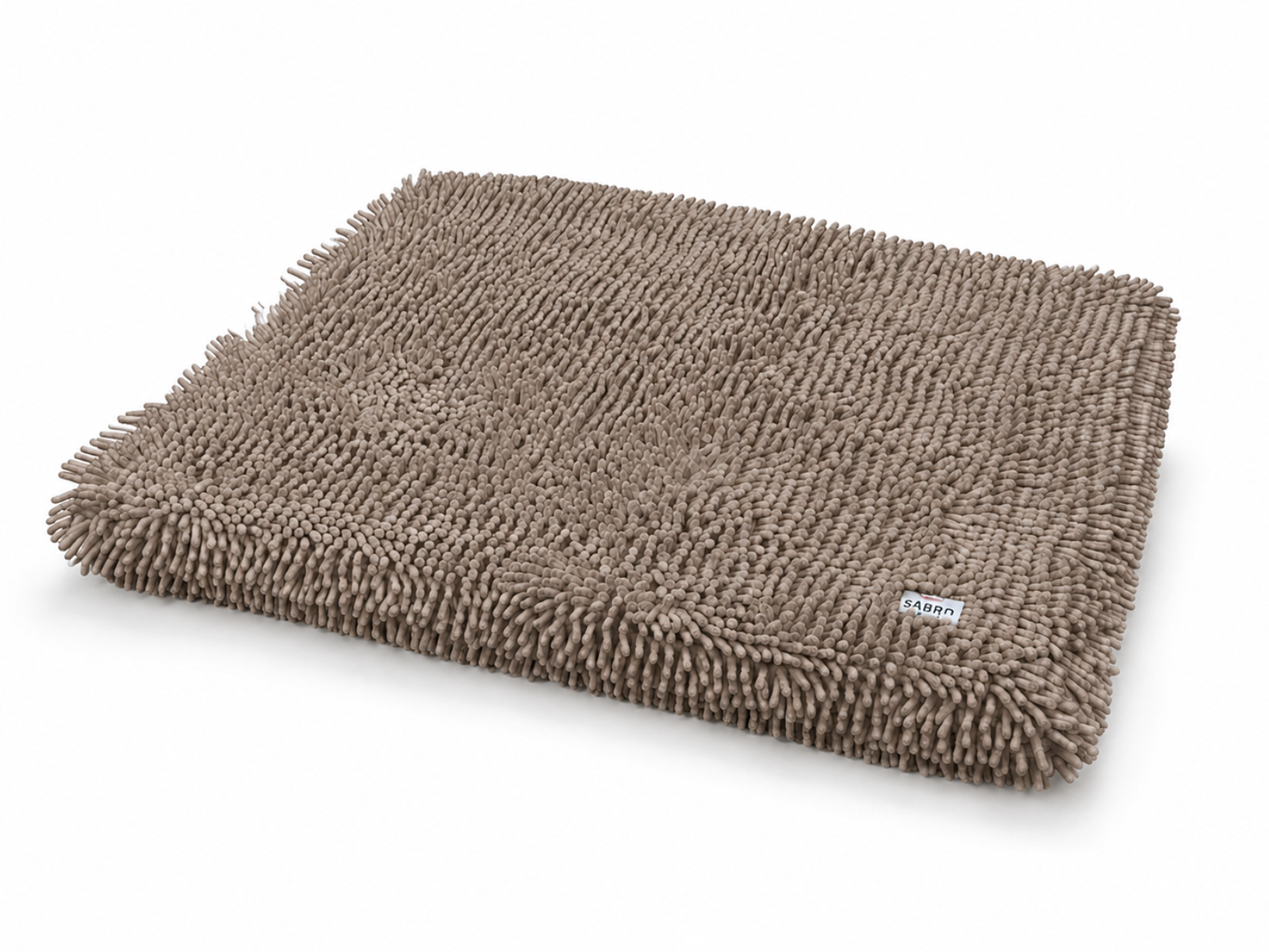
- A dog brush and a tick remover belong in your arsenal if you own a Russell Terrier, as they often move close to the ground. A good dog towel for drying is also absolutely essential for the household.
- For the coarse coat, a stripping comb or rubber curry comb is also a good choice, as the coat tends to mat and should be stripped once a year.
The Weimaraner Hunting Dog Profile: active and alert, loyal and intelligent
The elegant, silver-gray Weimaraner (also affectionately called Weimi) comes, as one might suspect, from Weimar in Thuringia and was bred there from the beginning of the 19th century. Since then, there have been no crossbreeds, making Weimaraners the oldest pointing dog breed in Germany. Important to know: Weimaraners are very intelligent hunting dogs and have what is known as 'predator sharpness'. This means they track down and kill wild animals on command. For good reason, Weimaraners are therefore usually only given to hunters, as this breed requires a hunting performance test. So, if you, as a non-hunter, want to keep a Weimaraner as a dog, it requires a lot of activity and even more exercise. Only then will he be happy without hunting. And importantly: a Weimaraner is not a dog for beginners; you should have a lot of experience if you decide to take him on.
The loyal and extremely affectionate dog tends to be a protector of his pack, so he is rather suspicious of strangers. He also wants to be cared for: he does not like being alone for long and quickly starts to get nervous and call or bark for his pack. Sitting at home is not for this active dog anyway: he needs activity, loves to work with his nose, head, and body, and needs a lot of exercise.
Weimaraners are more known as one-person dogs; this dog tolerates other partners and family members and sees them as part of the pack, but he is only conditionally suitable as a family dog, as he would otherwise often have to put his high demands aside. Weimaraners live up to 14 years and can grow between 55 and 70 cm tall (at the withers). His ideal weight should be between 30 and 40 kilograms and not exceed this to keep him healthy. Good to know: the hunting dog can reach a running speed of up to 55 km/h, making him one of the fastest dogs. Puppies are characterized by their ice-blue eyes, but over the years these change to a brown tone.
Before you give a Weimaraner hunting dog a home, be sure to consider a few things about their character and behavior:
- A hunting dog like the Weimaraner has an immense urge to move and needs a lot of exercise, ideally far from roads on natural ground and not in an apartment, but in a house with a garden.
- The Weimaraner is a pack dog that is there for you and protects you; he expects the same behavior from you.
- To satisfy his hunting drive and urge to move, we recommend mantrailing, tracking, or special hunting training with a dummy, because training should be at the top of your daily agenda.
- Weimaraners, like almost all hunting dogs, require consistent training and guidance without impatience or aggression.
- Their long ears require proper care with an ear cleaner to prevent infections.
- Pay attention to your Weimaraner's eating habits: he should not eat too quickly and should not engage in any activity immediately after eating, as this can cause what is known as bloat in this breed, a twisting of the stomach around its own axis, where the entrance and exit are closed.
The following accessories are recommended for your Weimaraner:
- To maintain your Weimaraner's good health and athleticism, treat him to a high-quality dog bed. Due to its pressure-relieving lying surface, it is an excellent choice for preventing hip problems like hip dysplasia.
- Our high-quality JOKKMOKK dog mats with a memory foam core are also ideal for maintaining your Weimaraner's health.
- Since short-haired Weimaraners can get cold in winter, a dog sweater and a dog coat are definitely recommended and should by no means be seen as just a fashion accessory. You can also find suitable dog clothing in our shop.
The Labrador Retriever or Labrador Mix: spirited and water-loving, active and seeking work
Along with the Golden Retriever, the Labrador Retriever has been one of the most popular dog breeds in Germany for many years. The true Labrador was bred in England since the 19th century. The Labrador Retriever, however, gets its name from Labrador Island; its ancestors therefore come from the Canadian east coast, and the English term for retrieve, as it was primarily bred for retrieving game, especially waterfowl (but also hares). A Labrador remembers exactly where the shot bird fell and retrieves it precisely. Therefore, this breed also takes great pleasure in water and in retrieving things. If you look at the genes, a Labrador Retriever also contains Molossers, Newfoundlands, and even Great Danes; a Weimaraner Labrador mix is also possible. This diversity is also reflected in its character.
First and foremost, a Labrador Retriever wants to please its owner ("will-to-please"). This fact should be honored when choosing this breed, and they should be given the attention they deserve. The good thing is that Retrievers generally have a very friendly nature, are patient with children, and enjoy being petted, spoiled, or rewarded, which makes them better suited as family dogs than many other hunting dogs. However, a dog is not a typical family dog from puppyhood. Due to its loving nature, it has the predisposition for it, but it must be properly socialized and imprinted on small and large people. And even if the socialization was positive, one should not just use it as a cuddly object for children or as a companion for pushing a stroller. It needs exercise, retrieving fun, and playing in the water. By the way, a Labrador Retriever is less suitable as a watchdog; it would probably even open the door for burglars.
Labrador Retrievers come in three colors: black, yellow, and brown. With a shoulder height of around 56 cm and a weight between 25 and 36 kg, it is one of the larger dog breeds. The Retriever family includes five more representatives: the popular all-round dog Golden Retriever, the water hunting dog Flat-Coated Retriever, the oldest breed Curly-Coated Retriever, and the Chesapeake Bay Retriever and Nova Scotia Duck Tolling Retriever, bred for duck and goose hunting.
A word on the popular Labradoodles: this as yet unrecognized designer dog breed is, as a hybrid dog, extremely prone to skin and coat problems, as two dogs with completely different coats were crossed here. In addition, the completely different dentition of Poodle and Retriever generally leads to dental problems. Here it is even more important to find a reputable breeder from whom to acquire such an animal. Meanwhile, there are many black sheep, i.e. disreputable breeders who are only after quick money.
These facts are good to know before you decide on a Labrador Retriever or another Labrador mix:
- A Labrador Retriever is definitely suitable as a dog for beginners, but like any beginner, you should go to school with him, not so that your dog learns, but so that both of you learn. Training is still the be-all and end-all with a Labrador Retriever to be able to do a lot with him.
- Since Labrador Retrievers absolutely want to please their humans, they quickly become a reflection of what you do with them: lots of exercise makes for an agile dog, little action can result in a sluggish and unhealthy dog. How your Labrador Retriever turns out depends on you. Therefore: definitely encourage him mentally and physically.
- A Labrador Retriever loves to eat: stones, Lego bricks, excrement from other animals and much more can be swallowed. Pay attention to a balanced diet and feed less main food if there have been treats. Overweight should absolutely be avoided.
- This breed has a strong retrieving instinct, so regular outings and activities are a must.
You should treat your Labrador Retriever / Labrador Mix to this equipment:
- In a dog bed with an orthopedic core like the KUDDE, your Labrador Retriever will lie pressure-relievingly, which can protect him from hip problems, as Retrievers also tend to suffer from hip dysplasia. It is also wipeable and easy to clean, which is very practical for Retrievers who enjoy taking mud baths.
- Things for retrieving are important, whether it's a ball or a toy animal – but please refrain from throwing the well-known stick, as these can splinter and severely injure the dog's mouth.
- Since the Retriever loves water, you can bring him joy with a dog pool.
- All types of water toys are also ideal.
Have you already had experience with one of the three breeds? Or do you own a Russell Terrier, Weimaraner, Labrador Retriever, or another Labrador cross mix? Tell us about your experiences in the comments.