
Whether it's heavy snowfall in rural areas or snow and ice in the city, there are many things to consider when walking your dog in the cold season. Here, we'll share our tips on the following topics:
- How long should you stay in the snow with your dog?
- How do I know if my dog is cold?
- For which dogs are dog sweaters or paw protection recommended?
- Can my dog eat snow?
- How do I optimally groom my dog in winter?
- How do I remove road salt from my dog's paws?
Many questions, we have answers for you! To ensure that winter walks in the snow are enjoyable for everyone involved.
General rule: In snowy and cold conditions, it's better to take several shorter walks than a few longer ones. This prevents your dog from being in the snow for too long and getting cold.
When do dogs get cold and how useful is dog clothing in winter?
It's the same for dogs as it is for us humans: everyone has a different sensitivity to cold, some get cold faster, some slower. Nevertheless, with our four-legged friends, you can already tell by the breed or any existing illnesses whether they get cold quickly: puppies, small dogs, and breeds with short fur like boxers and greyhounds, as well as old dogs, get cold faster than others. Dogs like Chihuahuas, which originally come from warmer regions, are often not used to our temperatures and also cool down quickly. And if your furry friend suffers from health problems such as heart or joint problems or arthritis, they also get cold quickly.
You can tell that your dog is cold if they are either shivering from the cold, seem somehow cramped, or if their movements become slower. If you notice these signs during a walk, it's time to go home, rub them dry thoroughly, and provide a warm place to lie down – this prevents bladder or lung infections.
If you also notice that your four-legged friend has a runny nose, seems sluggish, sneezes, and coughs, they may even have caught a cold.
Dog coats, dog protective shoes, etc. are very useful in snow and low temperatures
To protect your four-legged friend from getting cold and sick from the start, it is recommended to dress them in suitable dog clothing for winter walks. On cold and dry days, a dog sweater, for example, is the right support for your dog.
If it's a wet, snowy day, it's best to use a waterproof dog coat for your dog.
You can follow this rule of thumb: If you notice that your dog (on cold days) quickly starts to shiver, a dog coat, a dog sweater, or a combination of both is usually a good idea. This way, you can prevent health problems and your dog can stay in the snow a little longer.
And what about your dog's paws? Especially in fresh snow, snow quickly accumulates there during walks. The result is that your dog limps or hobbles a little. If you observe this, you should free your dog's paws from the snow with your hand in between. You can also tell that your four-legged friend has problems with their paws if they keep lifting their paws.
Dog paws are generally quite sensitive, so prolonged walking on paths with road salt, grit, or chippings, or sharp-edged ice can be uncomfortable for dogs – and not just if your dog already has a small paw injury. Even with healthy paws, foreign objects on the ground can cause small cracks in the paw pads or abrasions between the toes. In addition, your four-legged friend likes to lick their paws after a walk: this way, they also ingest road salt residues, which can lead to stomach problems.
To protect dog paws and pads in the snow, special shoes for dogs are suitable. Since the hind paws of most dogs are narrower than the front paws, you get two shoes in a set from us – so you can equip the front and hind paws with a perfect fit.
As a rule, and if you pay a little attention, your dog can manage without protective shoes when walking in winter. For example, choose forest paths for your walk that are not spread with road salt or similar to protect your four-legged friend's paws and pads.
You can find out more about the sense and nonsense of dog clothing in our blog post "The Sense and Nonsense of Dog Protective Clothing".
Why dogs should not eat snow
Yes, snowballs look like treats to dogs, so it's better to avoid a snowball fight with your dog. In addition, if the snow is already contaminated, for example with road salt, which mostly contains antifreeze, this can further encourage your furry friend to eat snow, as the snow literally entices them with its smell and taste. Therefore, it is important that you always keep an eye on your dog during a winter walk and, if necessary, prevent them from eating snow.
What to do if the dog has already eaten snow?
Ensure a diet that is gentle on the stomach, for example with cooked rice and a little chicken, and let your dog drink only water at room temperature or lukewarm tea, such as chamomile or fennel. If there is no improvement after two days, be sure to consult your veterinarian.
Unfortunately, it can still happen that you are not fast enough and your dog already has a snowball in its mouth. Since many dogs do not tolerate snow and ice water very well, they usually get gastrointestinal problems such as abdominal pain, diarrhea or vomiting, and in the worst case, so-called snow gastritis - an inflammation of the stomach lining, which, in addition to the symptoms mentioned above, can also be accompanied by fever and coughing, as well as traces of blood in the stool or vomit.
When treating gastrointestinal problems or snow gastritis, you should ensure a diet that is gentle on the stomach: cooked rice and a little chicken are ideal. Also, let your dog drink only water at room temperature or, alternatively, lukewarm tea, such as chamomile or fennel.
Important: If there is no improvement after two days, be sure to consult your veterinarian!
Optimal care for dogs and dog paws in snow
As already mentioned, if you observe your dog limping in the snow, clean their paws in between so they can walk properly again. However, paw care after a walk in the snow is also very important:
- BEFORE every walk, you should apply a fatty cream such as shea butter or udder balm to your dog's paws – but please avoid petroleum jelly made from petroleum.
- AFTER the walk, rinse all of your dog's paws at home with warm water and remove any grit, ice clumps, etc. with your fingers – pay particular attention to the spaces between the paws! You can trim very long fur between the paws a little with scissors so that ice and road salt do not stick to it so easily.
- Then dry everything carefully with a towel.
- Examine the paw pads for cracks and, if necessary, treat them with a healing ointment.
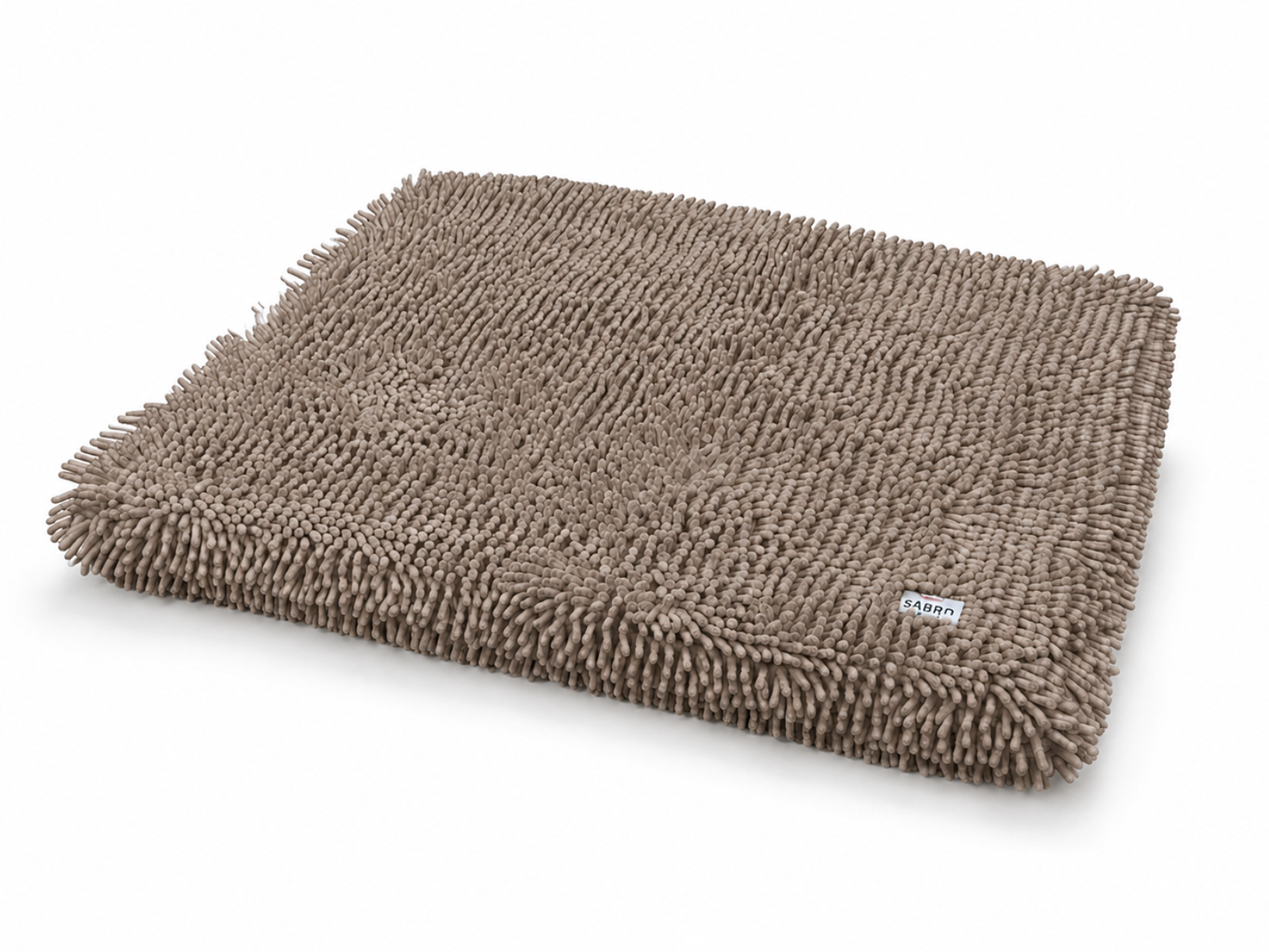
If your dog has been out in deep snow or wet conditions, also dry their entire coat, especially the sensitive undercoat, thoroughly. A standard towel often reaches its limits here, which is why there are special towels, such as our dog towel BUDDY, which absorb moisture faster and more effectively.
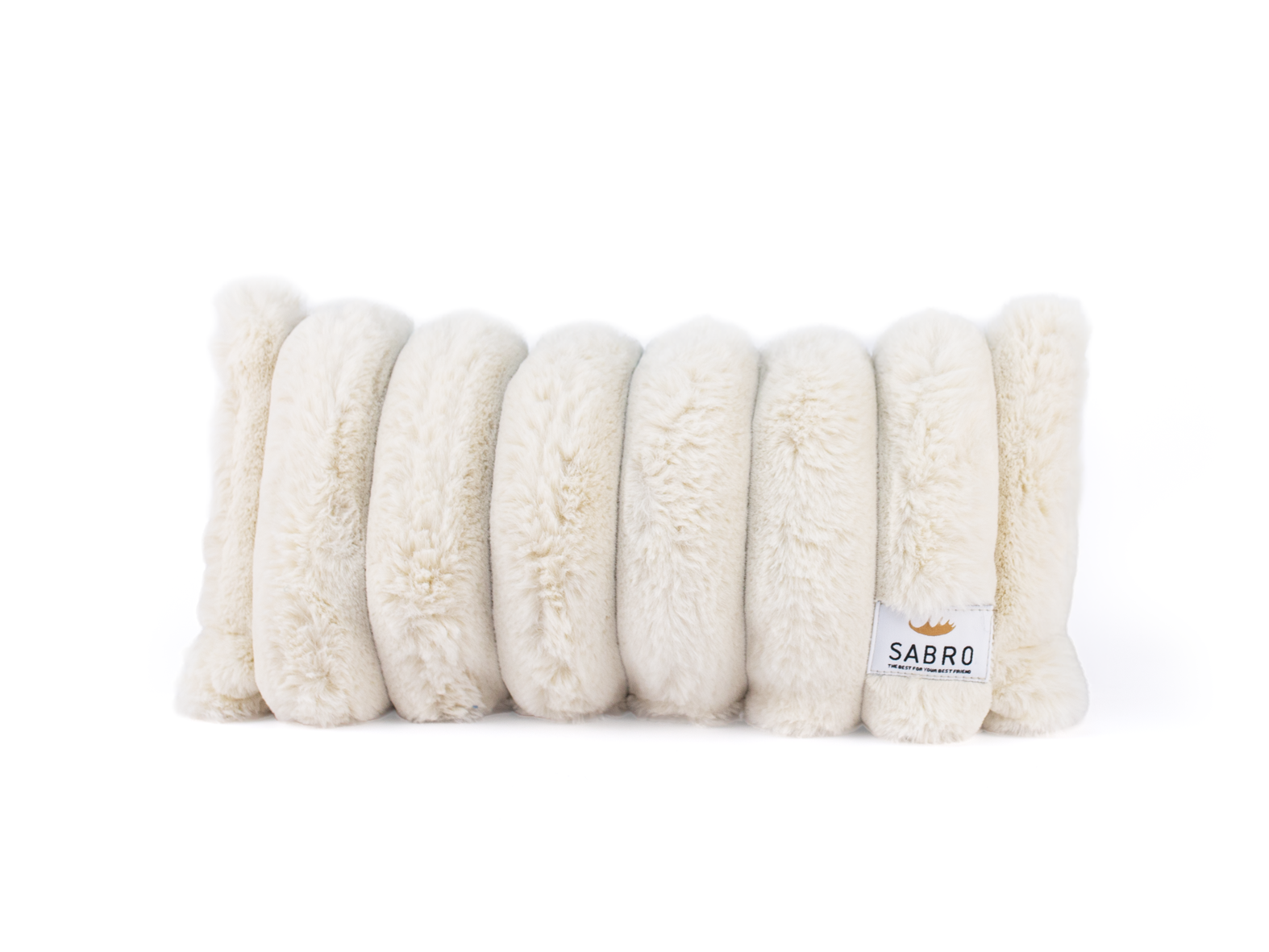
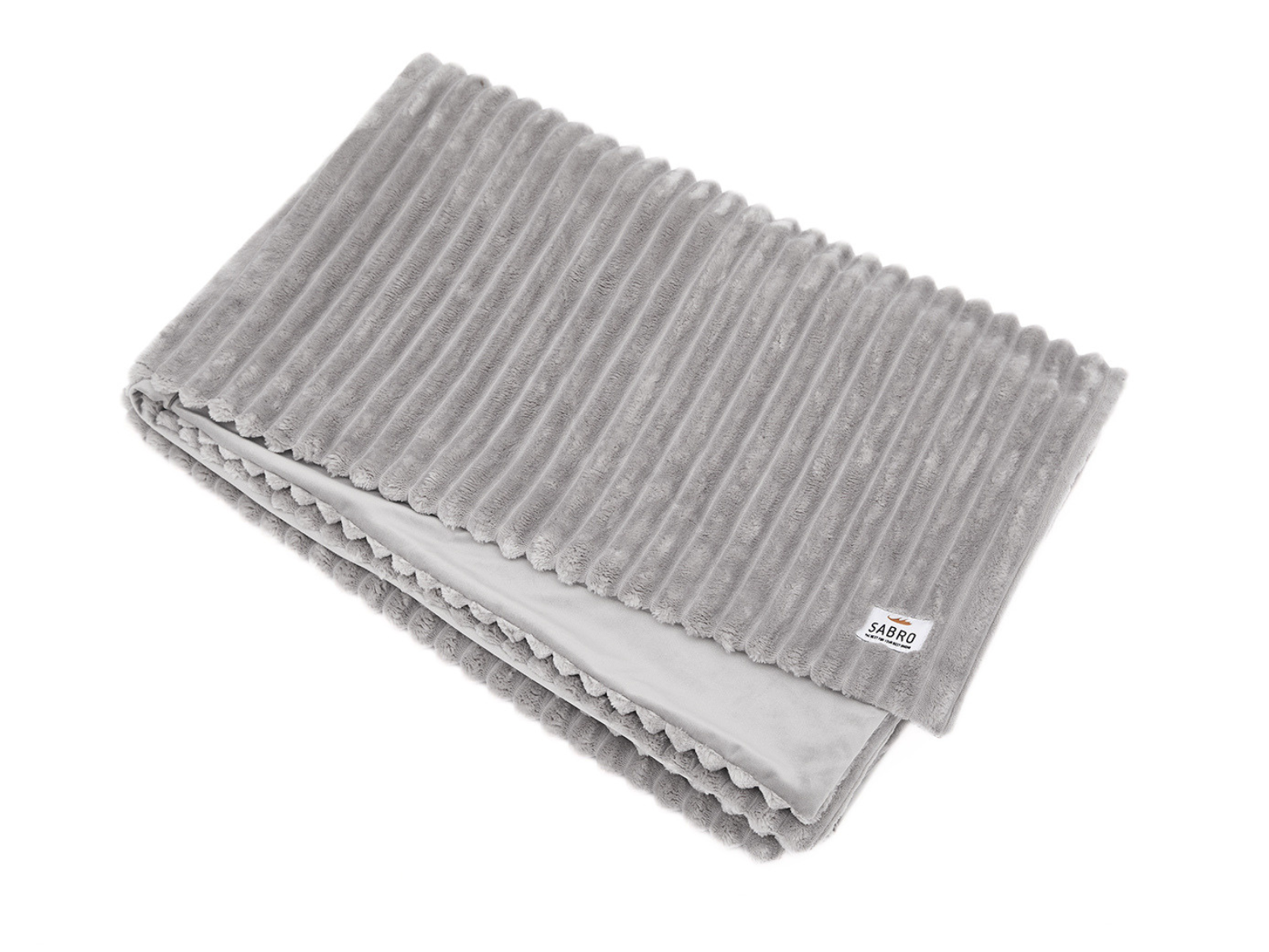
Now it is important that your dog has a dry and warm place to rest, which is also protected from drafts. During the cold season, a warming dog blanket is recommended for your dog if necessary. Especially after a walk in the snow, your four-legged friend can snuggle into these fluffy blankets and warm up again.
Also important in winter is coat care. This is not about shortening the coat, because it should protect against cold, but about freeing it from mats. Why? Knots and mats do not insulate well against cold and do not protect against wetness as smooth, mat-free fur does.
Short & sweet: our top tips for walking dogs in the snow
- Don't stay out too long with your dog in snow and cold, don't let them wait too long in front of the supermarket, and shorten walks to several shorter outings. This way your dog gets the necessary exercise but still stays healthy.
- Keep your dog moving in cold and snow so they don't get cold – if appropriate (due to breed, fur, age, or illness) use a protective dog sweater or a dog raincoat. With or without dog clothing, if your dog is already shivering, it's time to go home.
- Make sure your dog refrains from eating snow so they don't get gastritis – diarrhea and vomiting would be the result. If your four-legged friend does get snow gastritis and it lasts longer than two days, consult your vet.
- If you are walking on paths with a lot of ice and road salt, put paw protection shoes on your dog as a precaution or ensure thorough paw care with warm water after the winter walk.
- Rub your four-legged friend dry at home with an appropriate dog towel and make sure they then lie on a dry, draft-free, and comfortable dog bed (with a warming dog blanket).
- After a winter walk, definitely take care of coat grooming, especially for long-haired breeds, and remove tangles.
What experiences have you had in the cold season with snow and cold, snow gastritis, and paw care in winter? Do you have tips for other dog owners? Then we look forward to your comment.